When people think about losing a tooth, they usually think about the empty space in their smile.
But teeth do more than help you chew and speak. They also provide support for the structures around them.
Over time, significant tooth loss can affect the jawbone and the appearance of your lower face.
How Can Tooth Loss Affect Your Face?
Your teeth are anchored in the jawbone, and their roots help stimulate and maintain the bone surrounding them.
When a tooth is lost, that stimulation disappears. Over time, the bone in the area gradually shrinks, because the body naturally decides it no longer needs the bone to support teeth that aren’t there. If multiple teeth are missing, these changes can become more noticeable.
Aside from the changes caused by bone loss overtime, there is also the more immediate changes caused by multiple missing teeth.
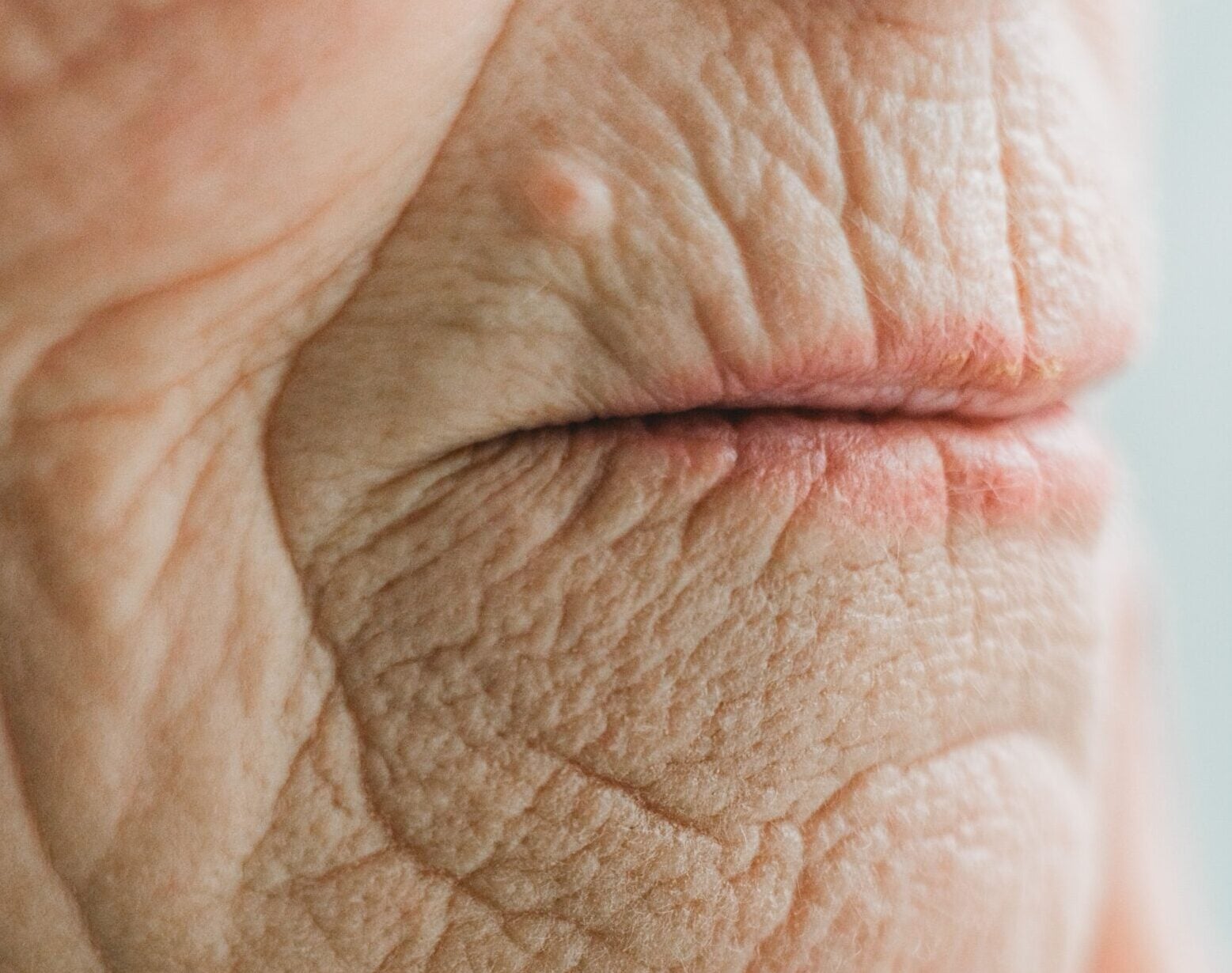
Your teeth provide structure for your lips, cheeks and jaw, helping to create the shape of your face. With multiple missing teeth, the shape of the face can begin to droop, sink in or sag in certain areas due to the loss of structure and volume.
Can One Missing Tooth Change Your Face?
A single missing tooth usually does not cause a dramatic facial change immediately.
However, even one missing tooth can contribute to localized bone loss over time. This is especially important if you ever plan to replace the missing tooth with a dental implant, which requires good bone for the implant to integrate into.
The surrounding teeth may also shift into the space, potentially changing the way your teeth come together.
The extent of any visible change depends on factors such as the location of the missing tooth, how long it has been missing, and whether other teeth are also missing.
What Happens to the Jawbone After Tooth Loss?
Bone requires stimulation to maintain its volume and density.
When a tooth is lost, the bone that once supported the root is no longer stimulated in the same way as when the tooth was there.
Over time, the body may gradually resorb that bone. This is bone loss.
This is one of the reasons we consider the long-term effects of tooth loss, rather than simply looking at whether an empty space is visible when you smile.
For example, you may not be able to see a few missing teeth in the back of your mouth when you smile, but you will definitely notice the missing teeth every time you eat. That is why replacing a missing tooth is often about function rather than aesthetics.
Can Missing Teeth Make You Look Older?
As we wrote about earlier in this article, significant tooth loss and bone loss can contribute to changes in facial proportions.
This is most obviously noticeable around the mouth. The loss of support around the lips and lower face creates a flat or sunken-in look where tooth normally would be, and the loss of volume and structure creates wrinkles or dropping that otherwise wouldn’t be there.
Dr. Kakaris Porter’s case is a good example of this. Replacing his patient’s missing teeth created structure and a smoothing effect throughout her face.
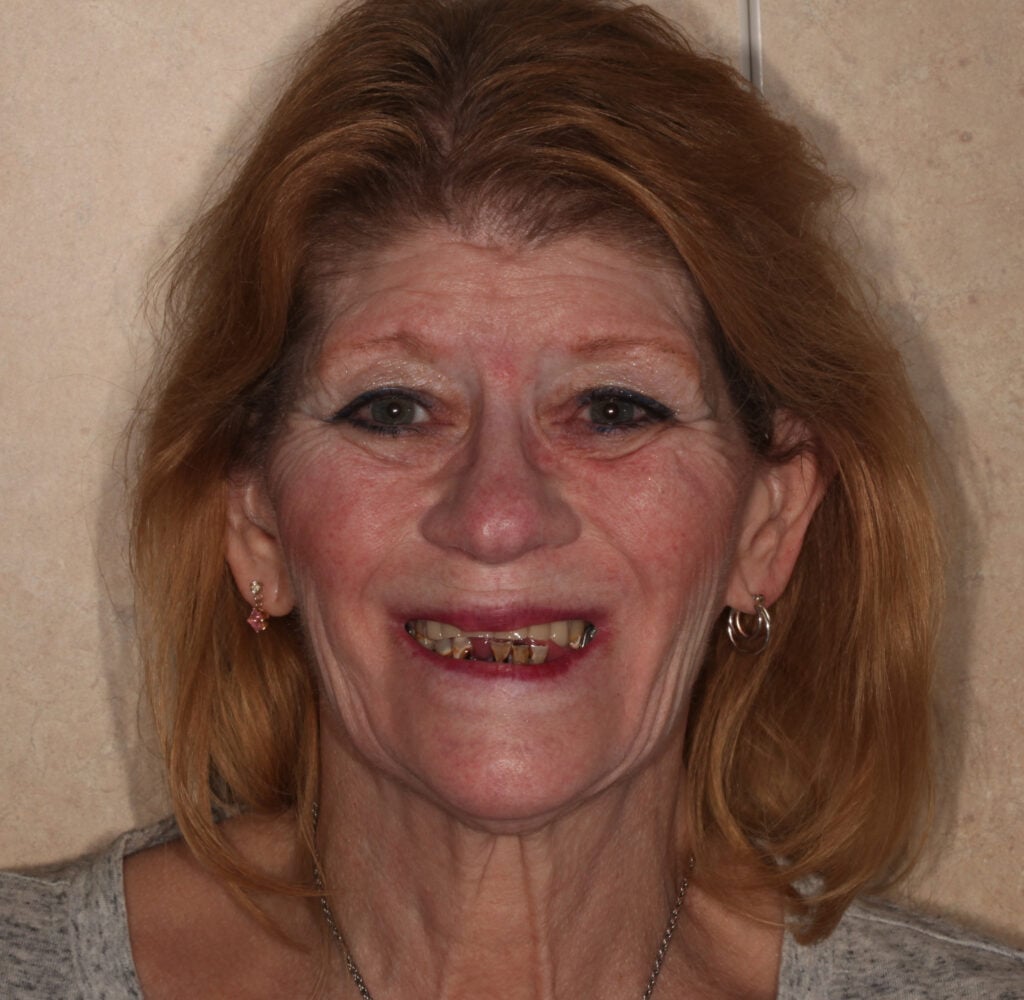

View the full smile makeover here.
It’s important to remember there is no single “face shape” that results from tooth loss, and the degree of change varies significantly from person to person.
Does Replacing a Tooth Restore the Bone?
Not every tooth replacement option interacts with the jawbone in the same way.
Dental implants replace the tooth root as well as the visible portion of the tooth, which allows them to provide stimulation to the surrounding bone.
Bridges and dentures replace the visible tooth but do not replace the natural root in the same way.
The best option depends on your oral health, the number of missing teeth, the condition of your jawbone, and your individual goals.
The Bottom Line
A missing tooth is more than a cosmetic concern. Missing teeth contribute directly to your ability to eat, speak and chew.
Over time, tooth loss can affect the surrounding teeth, your bite, the jawbone, your ability to eat, and the support provided to your facial features.
If you have been missing a tooth for years, it is still worth having the area evaluated. There may be options for restoring both function and the appearance of your smile. Whether you’re just starting to explore your options or you want an honest second opinion from dentists that have your best interest in mind, Dr. Arestea Kakaris and Dr. Alexander Kakaris Porter are ready when you are.
Call today to schedule your consultation (734) 676-1656.